Qianxu Wang
I am a second-year PhD student in Computer Science at Cornell University, advised by Prof. Kuan Fang.
My research interests focus on learning manipulation skills that generalize across embodiments and environments by making better use of existing data and knowledge.
More About Me
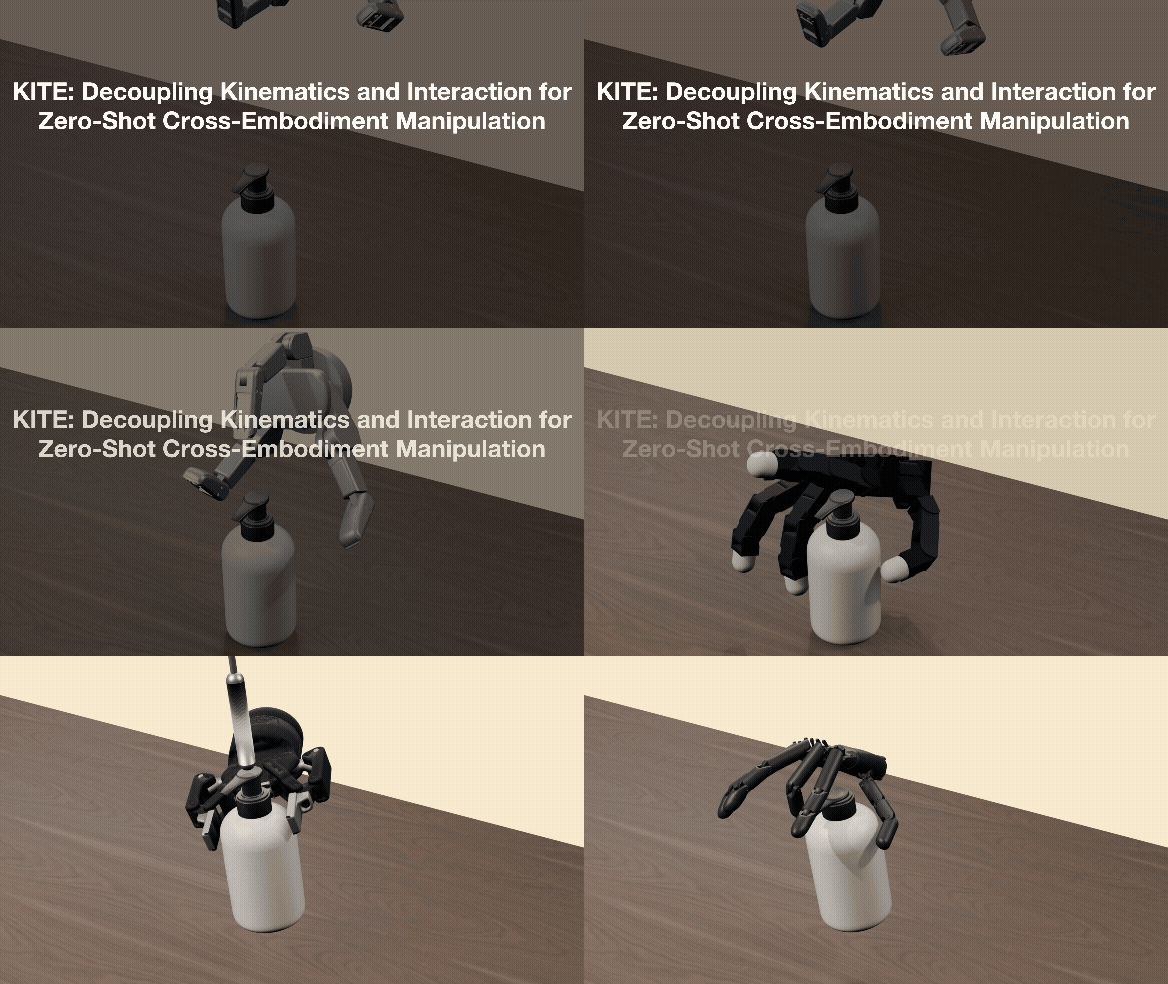
In my research, I develop methods that use robot descriptions to deploy learned skills on new robots without additional demonstrations [1], and pretrained visual knowledge to learn skills from a single demonstration [2, 3]. My ongoing work explores how test-time experience collected during deployment can help robots adapt learned skills to new environments.
Previously, I graduated with highest honors from Peking University with a bachelor’s degree in Computer Science. I was fortunate to work with Prof. Yixin Zhu at Peking University, Prof. Jeannette Bohg at Stanford, and Prof. Leonidas J. Guibas at Stanford.
Feel free (and please do!) to reach out if you have any questions, comments about my research, or anything you'd like to discuss or share with me!
Selected Publications
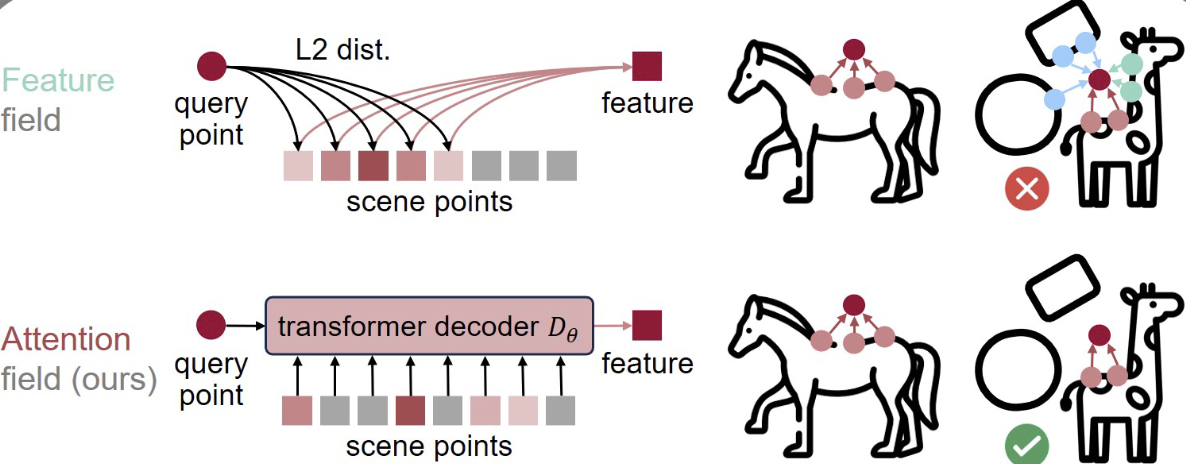
Conference on Robot Learning (CoRL) 2024
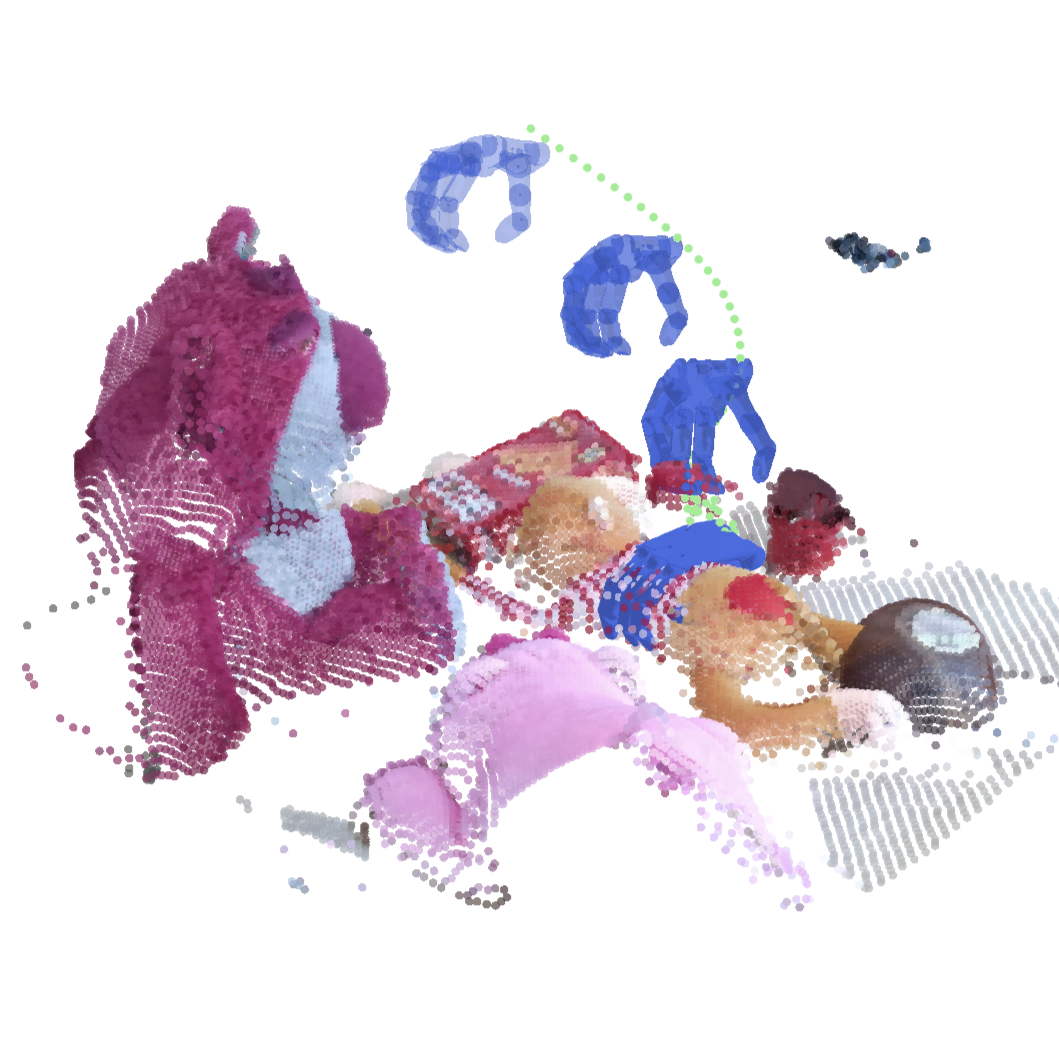
Neural Attention Field: Emerging Point Relevance in 3D Scenes for One-Shot Dexterous Grasping
More publications can be found on Google Scholar.
Miscellaneous
I enjoy doing nails (and can do yours, too). I love photography and playing squash.